Top 8 Telemedicine Trends and Technologies [2026]

Slava Khristich



Vlad Nazarov
In this article, we’ll draw on the insights and expertise of our software architects at TATEEDA to forecast the future of telemedicine and telehealth, exploring the key technology trends shaping remote healthcare delivery in 2026 in the United States and worldwide. These include remote patient monitoring, AI-assisted clinical and administrative workflows, connected medical devices, digital therapeutics, health-data interoperability, telepharmacy, wearables, and immersive care technologies.
And no, we don’t have a crystal ball, but we do have some pretty smart medical software specialists on our team who are capable of helping you implement some of these trendy healthcare technologies!
As the old saying goes, “Necessity is the mother of invention,” and the strongest telehealth models now combine virtual visits with home monitoring, connected devices, and EHR-linked workflows. For example, integrating custom remote patient monitoring (RPM) applications with IoMT devices allows patient measurements to flow automatically to care teams, where alerts and clinical rules can support earlier intervention. CMS now treats connected-device monitoring as an established component of remote care rather than a temporary pandemic measure.
Telemedicine future trends, including AI-assisted telehealth software, are also widening the circle of people who can participate in remote care. AI-assisted triage, asynchronous messaging, virtual behavioral health, telepharmacy, and connected monitoring can help physicians, pharmacists, nurses, therapists, health coaches, caregivers, and other authorized professionals coordinate care without requiring every interaction to happen inside a hospital or clinic.
| Why are we competent to speak about telemedicine market trends? TATEEDA is a San Diego-based custom healthcare software development company operating since 2013. Our healthcare work includes telemedicine software development, remote patient monitoring, EHR/EMR integrations, FHIR/HL7 interfaces, patient portals, pharmacy systems, medical billing, IoMT, and AI-enabled healthcare workflows. We also provide healthcare IT consulting for organizations that need help translating clinical, interoperability, security, and HIPAA-related requirements into software architecture and delivery plans. We have long-term partnerships with U.S. healthtech companies, including projects involving remote cardiac monitoring, telepharmacy, and electronic data capture for patient-reported outcomes. Several of these cases appear later in this article as practical examples of current telehealth trends. If you need immediate consulting, please let us know ⇒ |
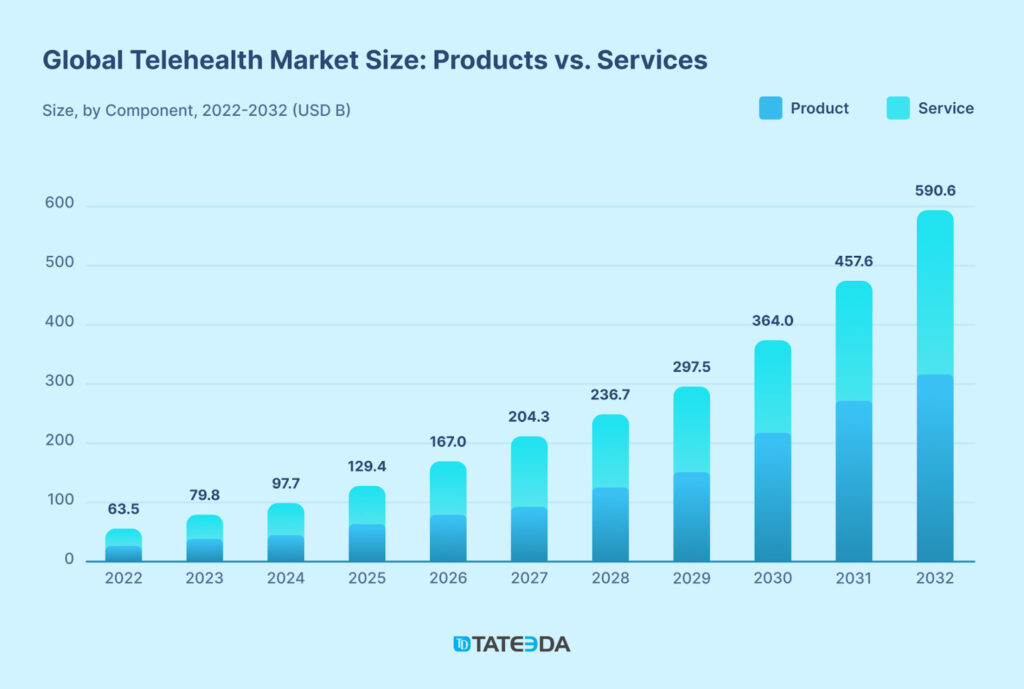
Telehealth is now a durable part of U.S. care delivery rather than a temporary pandemic-era substitute. In the AMA’s 2024 survey, 71.4% of physicians reported using telehealth, compared with 25.1% in 2018. CDC data published in 2026 found that 80.0% of office-based physicians used telemedicine in 2024. Medicare has also extended many telehealth flexibilities through December 31, 2027, including home access and the removal of geographic restrictions for many non-behavioral services.
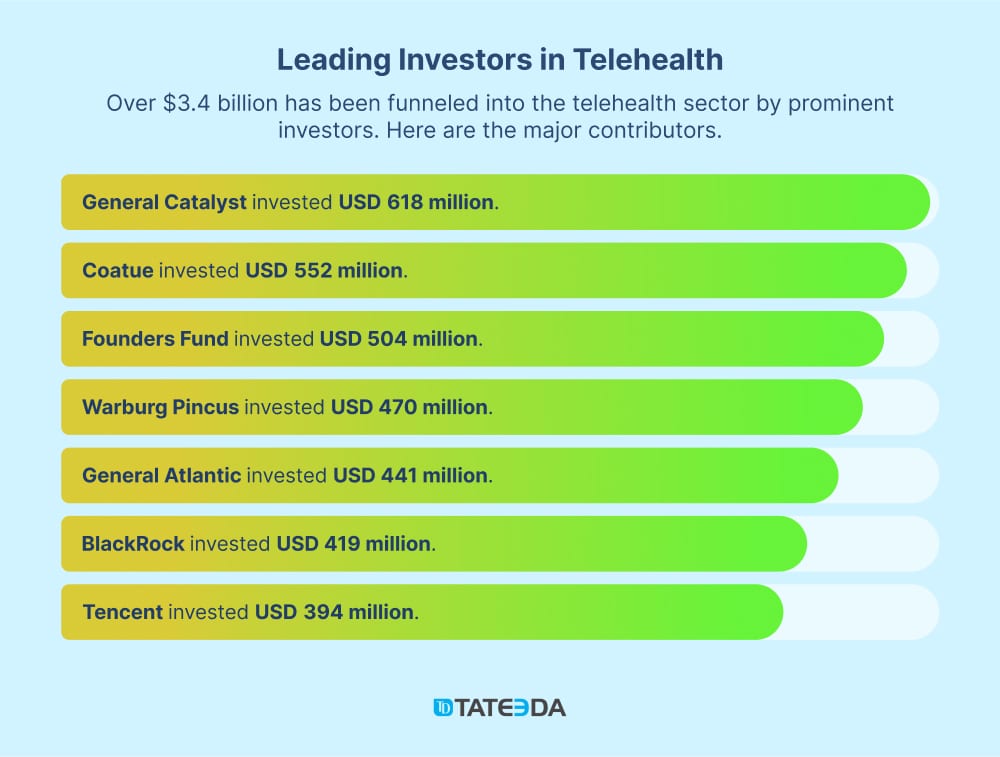
Digital health investment also points to where the market is moving. U.S. digital health startups raised $14.2 billion in 2025, 35% more than in 2024, while AI-enabled companies captured 54% of total funding. For telehealth vendors, investor attention is increasingly concentrated on AI-enabled clinical workflows, home monitoring, data infrastructure, and software that connects digital care with existing health systems.
Telehealth Access in 2026: The Digital Divide Still Matters?
The future of telemedicine depends as much on access and usability as on new technology. HHS reports that more than one in five rural households still lack reliable internet service, which can restrict video visits and connected-care programs. Device access, digital literacy, disability support, language, privacy, and broadband quality therefore remain important product requirements. \n\nAt the same time, policy has preserved important access routes. Medicare beneficiaries can receive many non-behavioral telehealth services at home without geographic restrictions through December 31, 2027, and audio-only care remains available in certain circumstances. The practical direction is hybrid care: video where it adds clinical value, audio-only where appropriate, asynchronous communication, in-person visits when needed, and home monitoring between encounters.
Let’s now review all the modern telemedicine trends one by one:
Table of Contents
Trend #1: Remote Patient Monitoring (RPM) for Proactive and Home-Based Healthcare
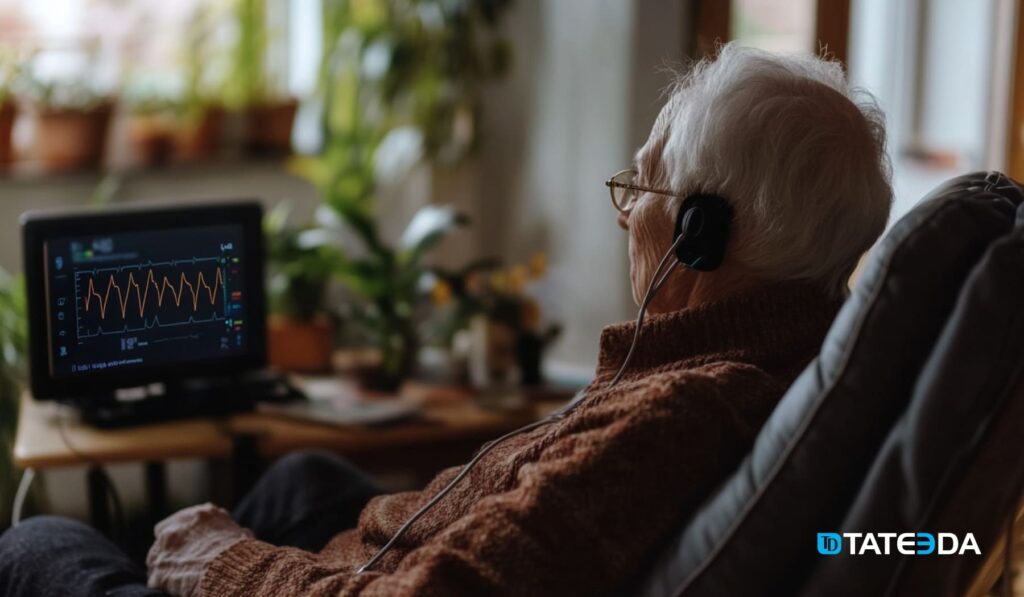
Remote Patient Monitoring (RPM) has become one of the most mature telehealth models for chronic disease management, post-discharge follow-up, and home-based care. Connected blood-pressure cuffs, scales, pulse oximeters, glucose monitors, ECG devices, and other medical devices can automatically send physiologic data to clinicians without requiring an office visit. \n\nCMS made RPM more flexible in 2026.
Its current guidance recognizes device-supply coding for either 2 to 15 days or 16 or more days of data collection within a 30-day period, depending on the code, and new treatment-management coding covers the first 10 minutes of monthly work. CMS also states that RPM data must be collected and transmitted automatically by a connected medical device. \n\nThis matters because different patients need different monitoring intensity.
A post-discharge patient may require a short monitoring window, while a person with a chronic condition may need continuous monitoring over a longer period.
Chronic disease management remains one of telehealth’s strongest clinical use cases. In the AMA’s 2024 physician survey, 52.5% of physicians said their practices used telehealth to manage patients with chronic disease, while 48.5% used it to diagnose or treat patients.
“These numbers are not surprising at all, given the need for ongoing monitoring of conditions like heart disease, diabetes, and chronic lung disorders—conditions that are truly a matter of life and breath for many patients in the U.S.”
— Andrew G., TATEEDA’s Health Tech Architect
The strength of RPM lies in the continuous tracking of patient biometric data through wearable devices and the Internet of Medical Things (IoMT). Whether custom software for remote monitoring of heart rate, glucose, or blood pressure, RPM helps medical professionals keep an eye on vital signs without the patient needing to visit a clinic in-person. Here’s what makes it effective:
- Real-time data collection: Tools like wearable ECGs, pulse oximeters, smart scales, and continuous glucose monitors (CGM) constantly gather health metrics.
- Immediate alerts: When data raises red flags, RPM systems send real-time alerts to providers for quick action.
- Patient empowerment: Through the development of custom mHealth apps and patient dashboards, patients actively engage in their health management.
- Convenient home-based care: RPM enables quality care from the comfort of home, reducing the need for frequent office visits.
Example of RPM in Action
RPM’s ability to facilitate timely interventions can significantly reduce hospital visits. For instance, take TATEEDA’s work on the Ventrilink project: it’s a perfect example of how cloud-based platforms and remote diagnostics can transform care for heart failure patients.
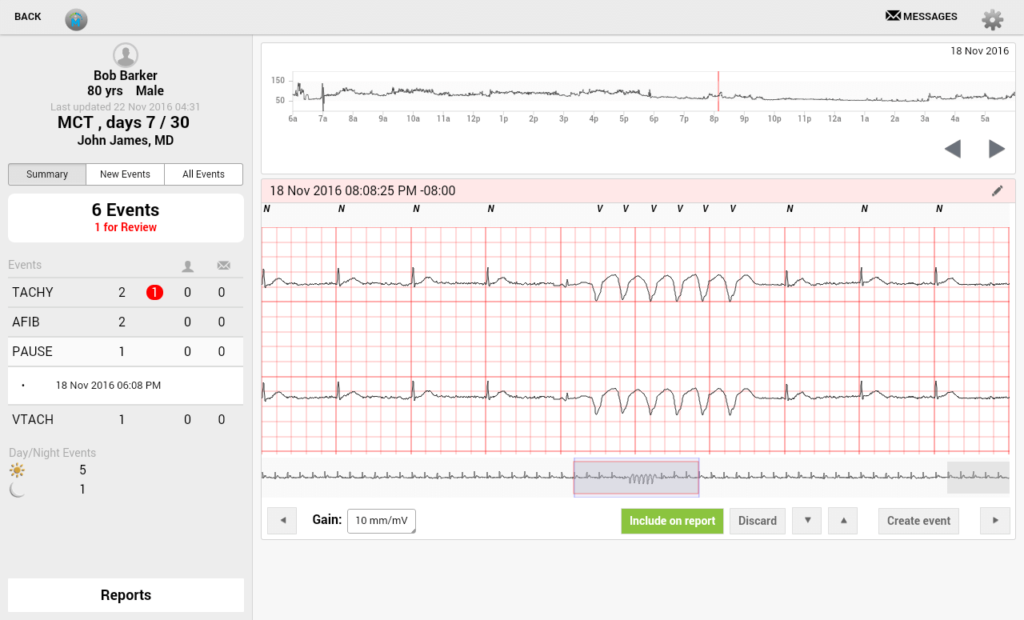
The case shows a practical RPM architecture in which a connected device, backend services, and clinician-facing mobile software operate as one remote-monitoring workflow. As we look ahead, seamless data transmission and real-time monitoring aren’t just part of the future of telemedicine technology—they’re setting the standard for patient care and making life easier for healthcare providers.
Trend #2: Personalized Digital Therapeutics (DTx)
Personalized Digital Therapeutics (DTx) are moving beyond the broad category of wellness apps and into more clearly regulated and reimbursable digital care. The FDA classifies certain prescription digital therapeutics as Software as a Medical Device, including digital behavioral therapy for diabetes, while CMS added new Remote Therapeutic Monitoring (RTM) codes for 2026 covering shorter 2 to 15-day monitoring periods and the first 10 minutes of treatment-management work. The FDA and CMS are also collaborating through the TEMPO pilot to study access to digital health devices for chronic disease care.
DTx empowers patients to manage their health proactively from home. Whether this works through tools like remote therapeutic monitoring (RTM), patient-reported outcomes (PRO), or mobile-based health interventions, these platforms provide continuous, personalized care. This trend stands out among the latest telemedicine trends by focusing on patient engagement and empowerment, reducing the need for frequent clinic visits while improving outcomes.
Key aspects of personalized DTx:
- Remote Therapeutic Monitoring (RTM): DTx platforms track patient progress in real-time using connected devices, adjusting treatment based on data collected from wearables and other health devices.
- Patient-Reported Outcomes (PRO): Patients can actively log their symptoms through digital symptom diaries, providing healthcare providers with invaluable insights into the effectiveness of treatment.
- Virtual Rehabilitation & Self-Guided Therapy Apps: These platforms offer virtual rehabilitation programs and self-guided therapy apps, enabling patients to manage their physical or mental health challenges from home, especially when in-person visits to therapists are not scheduled or unavailable for some reason.
- Psychoeducation and Digital Behavioral Health Platforms: Evidence-based digital programs can support CBT, symptom tracking, skills practice, and clinician-guided care between appointments. Current examples include SilverCloud by Amwell and other digital behavioral health programs, while prescription digital therapeutics for conditions such as ADHD and diabetes fall into FDA-regulated device categories.
- Clinical Decision Support Systems (CDSS): AI and analytics can help clinicians review patient data, surface relevant risks, and compare treatment options, but regulatory status depends on what the software does and who relies on its output. The FDA’s January 2026 final guidance clarifies which CDS functions may fall outside the medical-device definition and which patient-facing or device-like functions remain subject to FDA digital-health policies.
Example of DTx in Action
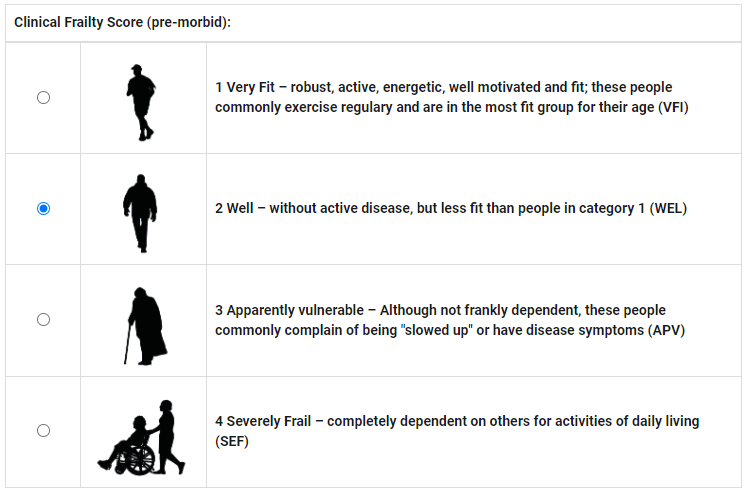
TATEEDA GLOBAL partnered with Visiontree, a healthcare technology provider, to create a web-based electronic data capture (EDC) system for documenting Patient-Reported Outcomes (PRO). The platform uses digital symptom diaries and self-management apps to collect real-time patient data via secure electronic forms, helping healthcare providers track patient progress throughout treatment.
This collaboration ensures healthcare organizations can capture accurate, structured data to enhance care and research outcomes. TATEEDA’s work with Visiontree is a prime example of how digital therapeutics drives the future of telemedicine and telehealth to more patient-centered care, turning digital symptom diaries and self-management apps into powerful tools for real-time health management and precisely individualized treatment strategies.
Trend #3: Artificial Intelligence (AI) in Telemedicine
Among the major telemedicine trends, Artificial Intelligence (AI) is shifting from basic chatbots to clinical documentation, patient communication, care coordination, multimodal analysis, agentic workflows, and AI-enabled medical software. Current platforms used to build healthcare AI include OpenAI for Healthcare and the OpenAI API, Microsoft Foundry, Amazon Bedrock and SageMaker AI, Google Vertex AI, and IBM watsonx.
The bigger 2026 question is no longer whether AI can be added to telehealth software, but how it is governed. Healthcare organizations must consider PHI handling, Business Associate Agreements where applicable, human review, model evaluation, auditability, bias, and whether a particular AI function could fall under FDA oversight. FDA’s 2026 Clinical Decision Support guidance and its AI-enabled medical-device program make this distinction increasingly important.
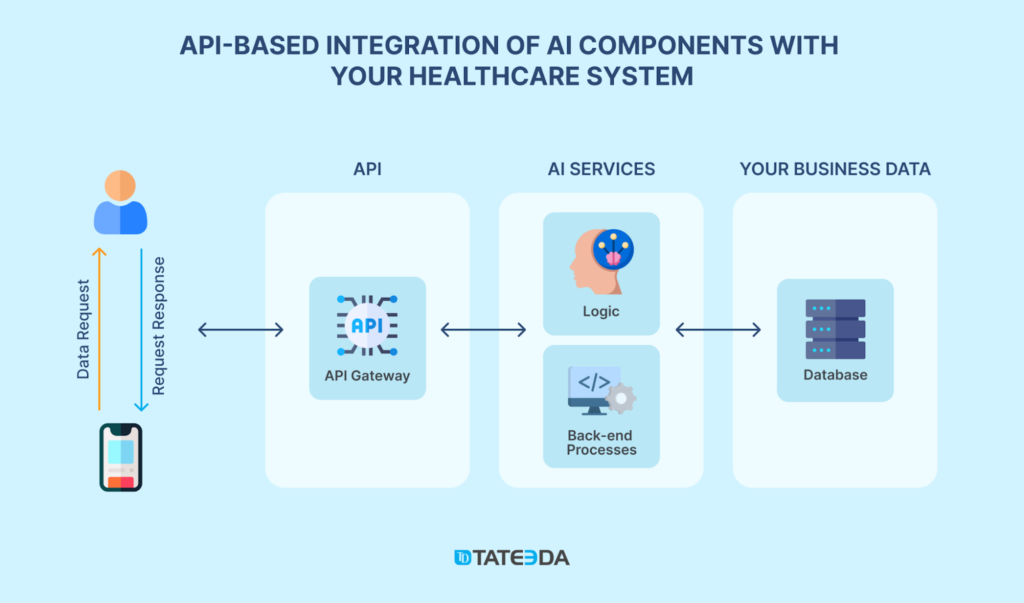
AI-fueled Future Trends in Telemedicine:
- Diagnostics and Imaging: AI can assist with image analysis, segmentation, measurement, case prioritization, and pattern recognition, but there is no defensible universal accuracy figure across imaging modalities and clinical tasks. The FDA maintains a public list of authorized AI-enabled medical devices that have passed the applicable premarket requirements. In telemedicine, diagnostic AI should therefore be validated for its intended use and remain subject to appropriate clinical oversight
- Predictive Analytics and Cognitive Computing: AI applies cognitive computing to learn and predict health risks, analyzing health data patterns to empower early interventions and develop personalized treatment plans for patients of all ages and social groups.
- Intelligent Patient Monitoring: Combined with wearables or smart implants, AI supports intelligent patient monitoring with the functionalities of real-time tracking and automated health coaching when irregularities are detected.
- AI-Powered Decision Trees and Care Coordination: AI-powered decision trees guide clinical decisions, assisting with AI-driven care coordination and online bots suggesting appropriate follow-ups. This accelerates medical decision-making and makes healthcare more accessible and cost-effective, as AI enables medical professionals to treat significantly more patients simultaneously.
- Digital Twin Health Modeling: Patient-specific simulation is a promising research direction, especially in cardiology, diabetes, oncology, physiological monitoring, and treatment planning, but it is not yet a routine telehealth capability. A 2026 systematic review found that most healthcare digital-twin studies remain simulation-based and that integration into everyday clinical practice is still rare. Digital twins are therefore better viewed as an emerging research and precision-medicine technology rather than an established standard of remote care.
As AI continues to advance, it is transforming the future of telemedicine from a reactive approach to a proactive, patient-centered model, delivering more efficient and adaptive healthcare solutions while promising longer, healthier lives for everyone.
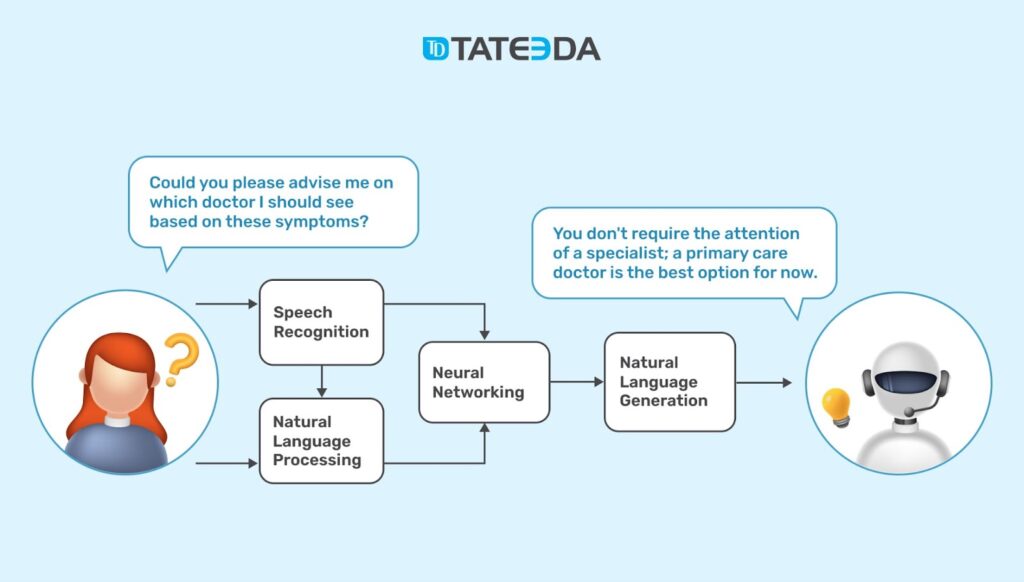
AI-powered conversational systems are increasingly used for intake, scheduling, patient education, documentation support, care-team coordination, and routing routine questions. They should not be presented as replacements for primary care clinicians. In healthcare, the safer model is AI-assisted coordination with human escalation for diagnosis, treatment decisions, emergencies, and other clinically significant situations.
Trend #4: Big Data, Interoperability, and Analytics in Telehealth
“The central health-data trend in 2026 is less about how many exabytes healthcare generates and more about whether systems can exchange and use that data.”
— Victor K., TATEEDA’s Data Engineer
USCDI v3 became the baseline standard in the ONC Health IT Certification Program in 2026, TEFCA continues to support nationwide exchange of electronic health information, and CMS interoperability rules are moving affected payers toward FHIR-based APIs.
For telehealth platforms, this means EHR, payer, wearable, laboratory, pharmacy, imaging, and RPM data increasingly needs to move through standardized interfaces rather than remain in isolated dashboards. Analytics and AI become more useful when the underlying data is structured, permissioned, traceable, and available to the appropriate care team.
Thanks to this massive accumulation of health records in the U.S. and other developed countries, Big Data and Analytics have emerged as one of the most impactful telehealth trends, enabling advanced medical data-mining techniques that uncover deeper patterns in pandemics, diseases, and other health-related phenomena.
The vast amount of clinical information on medical cases generated by electronic health records (EHRs), captured from wearable/portable devices, and obtained via remote patient monitoring technologies has paved the way for truly data-driven decision-making in healthcare, supported by evidence from millions of medical cases observed in the U.S. and worldwide.
How Big Data is Used in Telehealth
Big Data is profoundly changing the game in telehealth’s latest trends, allowing healthcare providers to dig deeper into patient medical profiles, visualize healthcare data in many ways, and spot important patterns that might have gone unnoticed before. Here’s how it’s being used:
- Predictive Analytics for Early Intervention: Using time-series analysis and multivariate data analysis, Big Data helps predict future health events, enabling timely interventions based on patterns detected in historical data.
- Personalized Treatment Plans: Digital phenotyping and clinical outcome tracking allow for tailored treatment scenarios that account for individual health data, including family genetics, lifestyles, and real-time biometrics collected from pro-grade wearables and biosensors.
- Remote Patient Monitoring and Alerts: Wearable tech data mining supports continuous monitoring, with anomaly detection algorithms that identify irregularities and trigger alerts for healthcare providers to act promptly.
- Population Health Management: Data fusion techniques aggregate information from different patient groups, uncovering trends to optimize preventive strategies and resource allocation.
- Operational Efficiency: Prescriptive analytics improve resource management and streamline telehealth workflows by analyzing data patterns to recommend the most efficient course of action.
The Architecture of Big Data and Telehealth Integration
According to our health tech software architects and experts, this is how the integration of telehealth and Big Data operates:
| Layer | Description |
| Data Sources | Collects information from EHRs, wearable devices, medical imaging, lab results, and telehealth consultations for health data integration. |
| Cloud-Based Data Storage | Uses cloud-based data storage solutions such as data lakes and warehouses to securely store and manage structured and unstructured data. |
| Data Processing and Analytics | Leverages real-time decision support tools, anomaly detection, and multivariate data analysis to transform raw data into actionable insights. |
| Integration Layer | Uses HL7 FHIR APIs, SMART App Launch, EHR interfaces, payer APIs, and health-information exchange services to connect telehealth applications with clinical and administrative systems. In 2026, USCDI v3 and TEFCA-related requirements make interoperability architecture increasingly important for U.S. health IT. |
| Data Visualization Dashboards | Provides data visualization dashboards to display insights and trends, helping clinicians make informed decisions and monitor clinical outcomes. |
Example of Big Data in Telehealth
The U.S. Department of Veterans Affairs uses Big Data analytics in telehealth to monitor veterans’ health through remote devices and EHRs. This approach helps predict health risks and provides timely care, significantly reducing hospital readmissions.
As one of the future trends in telehealth, integrating Big Data with telemedicine is essential for enhancing patient outcomes, streamlining operations, and enabling data-driven healthcare practices.
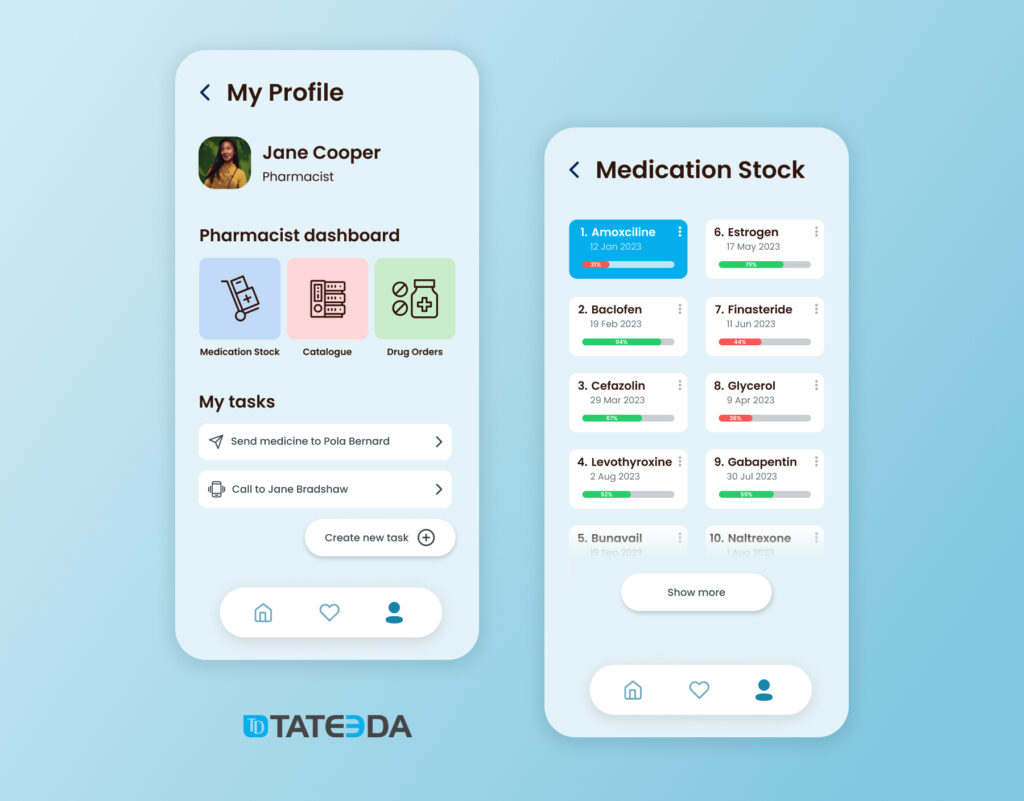
Trend #5: Telepharmacy
Telepharmacy is becoming a pivotal telehealth component, transforming how pharmacy services are accessed and delivered. Thanks to the rapid growth in digital health technologies and increasing patient demand, it’s clear that telepharmacy now offers crucial services like…
- medication consultations
- automated refills
- remote dispensing
- making pharmacy care more accessible, especially in rural or underserved areas.
Why Telepharmacy is Gaining Traction
Telepharmacy is gaining traction for a more concrete reason than general consumer preference: virtual prescribing and medication management are now deeply linked to federal telehealth policy. HHS and DEA extended telemedicine flexibilities for prescribing controlled medications through December 31, 2026. HHS reports that more than 7 million controlled-medication prescriptions were issued via telemedicine in 2024 without a prior in-person visit. Providers must still follow federal and state law, licensing rules, and legitimate-medical-purpose requirements.
How Telepharmacy is Used in Telehealth
Telepharmacy custom software dev services encompass various innovative approaches that go beyond traditional pharmacy roles:
- Virtual Consultations and Medication Guidance: Since over 60% of U.S. adults take prescription drugs regularly, it’s clear that virtual consultations can significantly improve access to medication guidance, ensuring patient safety through tools like virtual drug interaction alerts.
- Remote Dispensing and Automated Solutions: Thanks to advancements like automated dispensing cabinets, pharmacies can now provide remote dispensing in areas where access is limited, making it easier for patients to get their medications promptly.
- Medication Therapy Management (MTM): Given that chronic illnesses account for 90% of healthcare costs in the U.S., it’s clear that MTM through telepharmacy can help reduce these costs by enabling pharmacists to use predictive analytics for prescriptions to anticipate medication needs and prevent complications.
- Prescription Synchronization and Refill Management: As 20-30% of patients struggle with medication adherence, automated refills, and prescription synchronization services ensure they stay on track, which might be surprising but can reduce hospital readmissions.
- Advanced Digital Tools: With the growing integration of clinical data, digital drug labeling, and real-time decision support, telepharmacy provides patient-specific care, adapting quickly to each patient’s changing health status.
Example of Telepharmacy in Practice
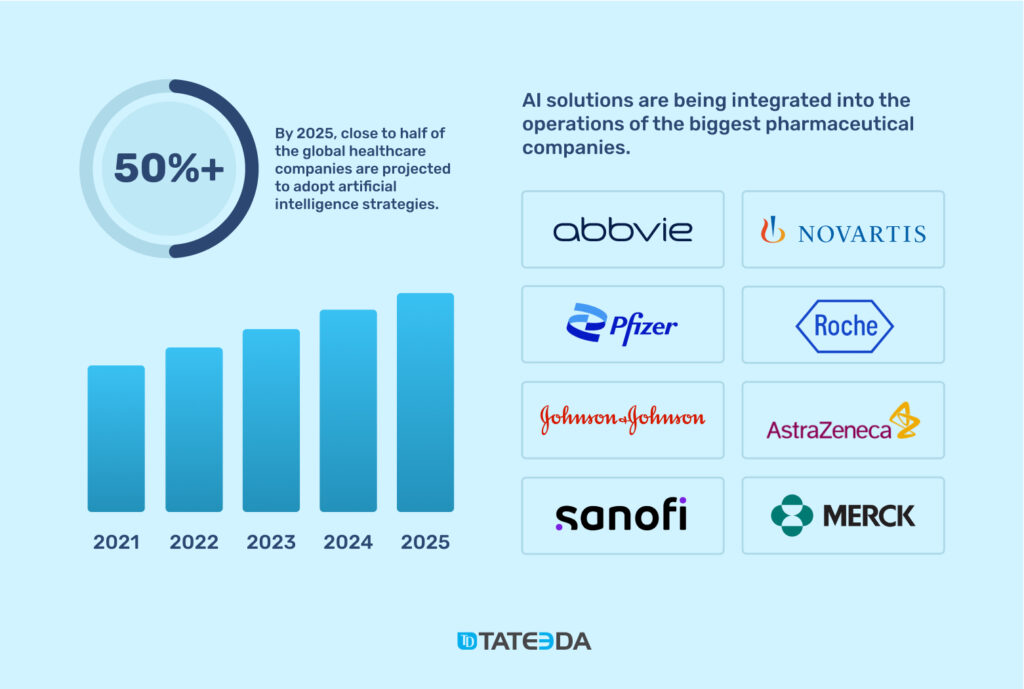
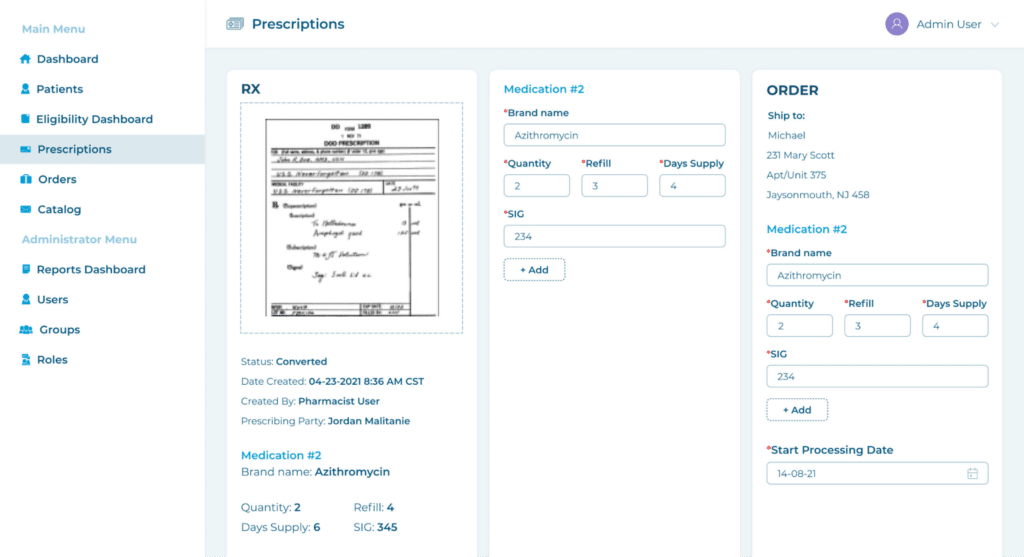
A Canadian pharmaceutical company reached out to us to streamline its operations, and we stepped in to help by developing a web-based platform that automated the entire process of ordering, processing, and shipping prescription drugs for their U.S. partners.
“The system took things to the next level by making data management simpler and adding shipment tracking. It didn’t just make everything run smoother—it actually opened the door for new business opportunities, showing how telepharmacy can transform the way pharmaceutical operations work.”
— Igor K., TATEEDA’s Senior Developer
Trend #6: AR/VR in Telehealth
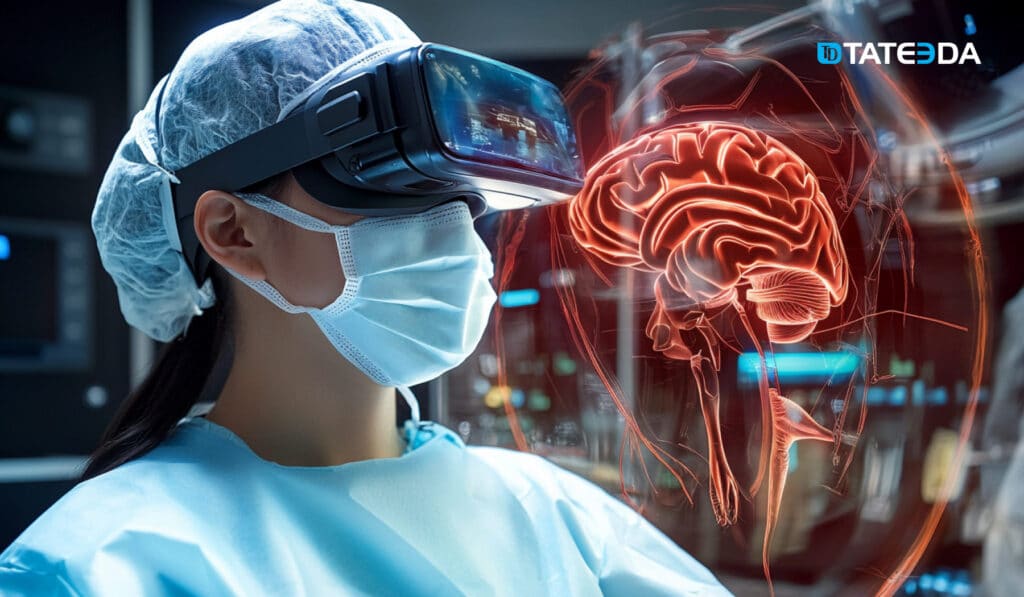
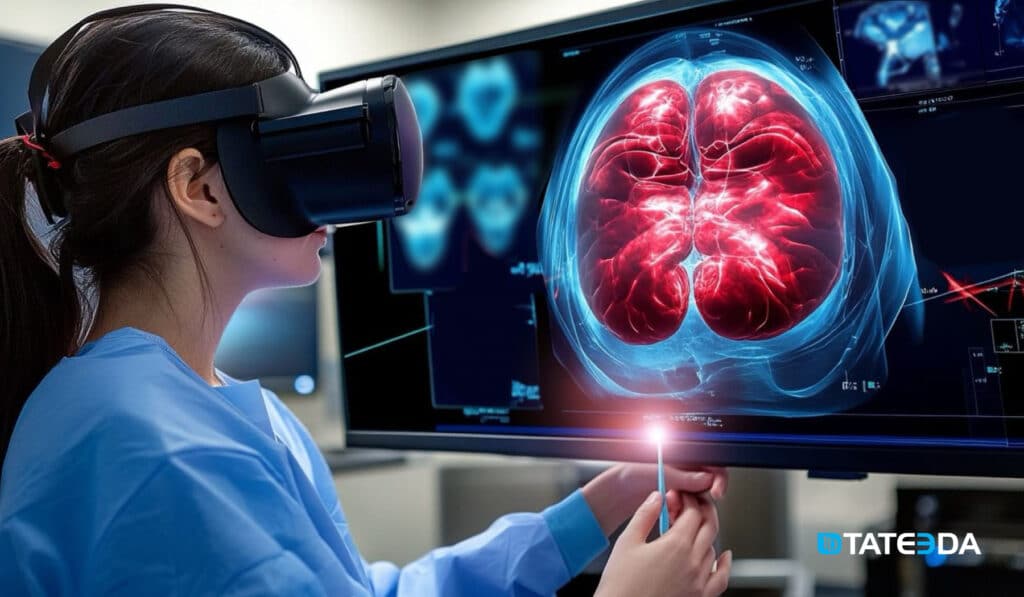
AR/VR in healthcare is moving from experimental demonstrations into narrower clinical uses with clearer evidence. The FDA-authorized RelieVRx system provides in-home VR-based behavioral therapy for chronic lower-back pain, while the Department of Veterans Affairs continues to use immersive technology for pain management, anxiety and PTSD, rehabilitation, wellness, and other care programs. \n\nFor telehealth, the strongest near-term use cases are guided home therapy, rehabilitation, behavioral health, training, and remote specialist support rather than broad claims that virtual surgery will soon become routine.
“We’re seeing more and more AR/VR adoption in healthcare because the demand for immersive solutions just keeps growing. Whether it’s for planning surgeries, managing chronic pain, or training staff, the need for this kind of technology is really taking off.”
— Anastasia M., TATEEDA’s Front-End Tech Team Lead
For instance, Hoag Hospital has deployed AR/VR for everything from surgical preparation to staff stress relief, while the Department of Veterans Affairs (VA) uses VR for managing PTSD and chronic pain, with significant success.
How AR/VR is Used in Telehealth
AR/VR technologies are being employed across various telehealth applications:
- Training and Education: AR/VR provides simulated training modules for healthcare professionals, using 360-degree video and spatial computing to replicate real-world scenarios.
- Chronic Care Management: VR platforms help manage chronic conditions by delivering therapeutic experiences, such as AppliedVR’s RelieVRx for lower back pain. Programs include tactile internet features that simulate physical sensations.
- Rehabilitation and Telesurgery: AR assists with virtual ward rounds and telesurgery, allowing for remote consultations and precise anatomical visualization during procedures.
- Surgical Planning and Assistance: AR provides real-time stereoscopic 3D imaging to help surgeons visualize anatomy during operations.
How AR/VR is Implemented in Telehealth
The following table outlines the methods suggested by TATEEDA’s experts for integrating AR/VR into telehealth systems:
| Implementation Method | Description |
| 3D Bioprinting and 3D Scanning Technologies | Creates realistic anatomical models for surgical planning and patient education. Implementing this requires specialized 3D bioprinters and scanning devices like MRI and CT scanners to capture detailed anatomical data. High-resolution 3D printing materials are also essential for creating accurate replicas. |
| Spatial Tracking and Secure Access | Uses headset-native inside-out tracking, hand or eye tracking where supported, enterprise identity controls, and device-management policies to connect immersive sessions with clinical workflows. Dedicated Kinect-style hardware is no longer a sensible default for modern XR deployments. |
| Low-Latency Streaming and WebXR | Uses WebRTC, WebXR, edge or cloud rendering where needed, and bandwidth-aware session design for remote collaboration. “Zero latency” should not be promised; the engineering goal is predictable low latency that remains safe and usable for the intended clinical scenario. |
| Synthetic Data | Uses simulated patient scenarios for training, ensuring ethical practices with bioethical governance. This approach involves generating artificial datasets using AI algorithms and machine learning models to mimic real-world health data. Synthetic data platforms and software tools (e.g., Hazy or Gretel.ai) are necessary for creating realistic patient scenarios while protecting privacy. |
| Tactile Internet and Stereoscopic 3D | Enhances simulations with touch and depth perception, aiding physical therapy and surgical precision. It relies on haptic feedback devices, such as gloves or suits, paired with stereoscopic 3D displays or AR/VR headsets to create a realistic sense of touch and depth in virtual environments. |
| Virtual Ward Rounds and Telesurgery | Facilitates remote consultations and surgical planning with 3D visualization for better decision-making. Implementing this requires telepresence equipment, high-definition cameras, robotic surgery tools, and real-time communication platforms to support remote interactions and provide detailed views of surgical fields. |
| Anatomical Visualization | Uses AR to display 3D models of anatomy during procedures, offering real-time guidance for surgeons. This requires AR-enabled devices like Microsoft HoloLens or Magic Leap, software for rendering 3D anatomical models, and tracking sensors to align the visualizations accurately with the patient’s body. |

Trend #7: Wearables and Telehealth mApps
“Wearables coupled with the newest mobile health app trends are taking off in telehealth because people want real-time insights into their health, whether it’s heart rate, blood sugar, or sleep. These tools help make healthcare an everyday part of life, not just something you think about when you’re ill.”
— Slava K., TATEEDA’s Health-Tech Architect
Wearables are becoming more clinically useful as consumer devices add validated health functions and medical devices connect more directly with patient applications. Apple Watch supports ECG, irregular-rhythm notifications, fall detection, sleep-apnea notifications, and other health features; its U.S. Blood Oxygen function was redesigned in 2025 for affected models. For diabetes care, Dexcom G7 can send CGM readings directly to compatible Apple Watch models through Bluetooth.
Examples of Wearables and mApps in Action
Apple Watch: ECG, irregular-rhythm notifications, fall detection, sleep-apnea notifications, and other health and wellness functions, with availability varying by model and region.
Dexcom G7: Continuous glucose monitoring with smartphone integration and Direct to Watch support for compatible Apple Watch models.
WHOOP and similar wellness wearables: Useful for sleep, recovery, strain, and fitness tracking, but consumer wellness metrics should not automatically be treated as clinical-grade patient data.
How Wearables and Telehealth mApps Are Used
- Remote Patient Monitoring: Wearable devices like smartwatches and fitness trackers collect data such as heart rate, steps, and blood glucose levels, and send this information to telehealth apps synchronized with server applications in healthcare providers to process and review. This kind of biometric data analysis is crucial for managing chronic conditions at home and detecting health issues early.
- Chronic Care Management: In patients with long-term health conditions, wearables, and mApps continuously monitor vital signs to generate alerts or send notifications to authorized medical professionals when measurements deviate from normal ranges, allowing for timely interventions.
- Lifestyle and Wellness Tracking: Telehealth mApps often integrate with wearables via wireless networks to promote healthier lifestyles by tracking and reporting physical activity, sleep patterns, and diet. Some apps offer augmented cognition features for personalized health recommendations and insights based on data collected from wearables and clinical records of a patient (so multiple health specifics can be taken into account for better outcomes.)
- Data Integration and Analytics: Wearables can sync with smart health records, allowing up-to-date data to be stored and analyzed within a patient’s medical history. This integration supports more data-driven telehealth workflows and predictive analytics for healthcare providers, while patients can access their data via custom web or mobile patient portal solutions.
- Rehabilitation and Recovery: Wearables like motion sensors and smartbands help track patient progress during physical therapy or post-surgical recovery, providing valuable data for healthcare teams to adjust treatment plans.
Implementing Wearables and mApps in Telehealth
For wearable tech to work seamlessly with telehealth, certain components are required:
| Component | Description |
| Biometric Sensors | Used in wearable devices to measure various health metrics, such as heart rate, glucose levels, or blood pressure. Examples include optical heart rate sensors and accelerometers. |
| Data Synchronization Technologies | Ensure real-time data exchange between wearables and telehealth apps through Bluetooth, Wi-Fi, or cellular networks, allowing for continuous monitoring. |
| mHealth App Integration | mApps should be compatible with both iOS and Android platforms, providing features like push notifications, teleconsultation, and real-time decision support. |
| Cloud-Based Data Storage | Wearables often use cloud services to store large amounts of health data securely, supporting zero latency streaming and enabling healthcare providers to access patient data from anywhere. |
| Predictive Analytics and AI | Wearables and mApps leverage machine learning and predictive algorithms to analyze collected data, offering insights that can predict health risks or recommend lifestyle changes. |
Examples of Wearables and mApps in Action
- Apple Watch: Offers health monitoring features like ECG, blood oxygen level tracking, and fall detection, and integrates with Apple Health for comprehensive data analysis.
- Dexcom G6: A continuous glucose monitoring device that sends real-time glucose readings to a smartphone app, helping diabetes patients manage their blood sugar levels.
- Whoop Strap: A wearable designed for athletes that measures sleep quality, recovery, and strain to optimize performance.
With wearables and telehealth mApps forging the future of telemedicine and telehealth, it’s clear that healthcare is becoming more accessible and integrated into daily life, pushing forward telemedicine market trends and enabling more proactive patient care.
Trend #8: Medical Drones
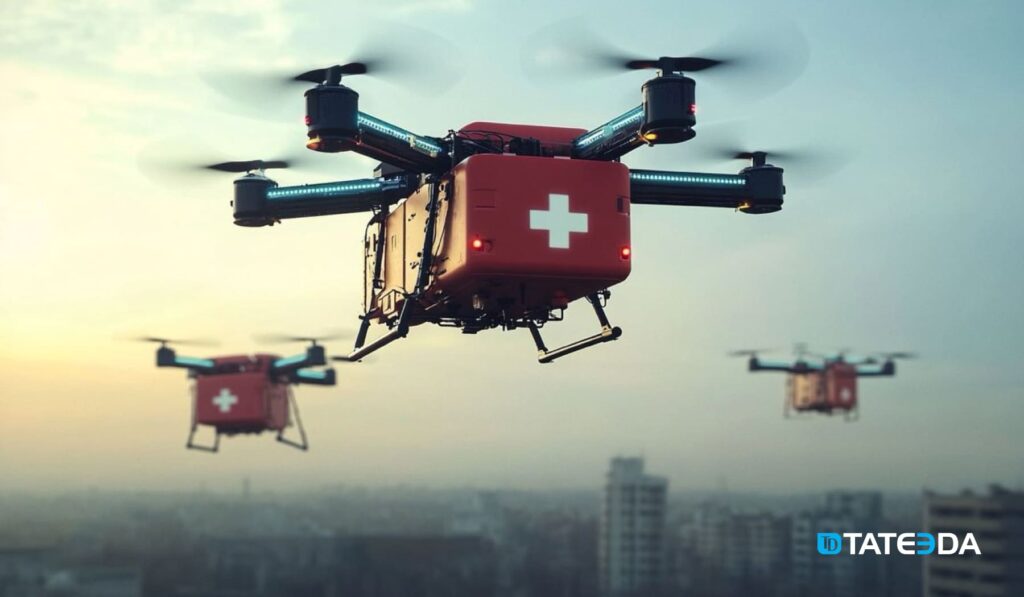
“Medical drones are revolutionizing the way healthcare is delivered, especially in remote areas. From delivering prescription drugs to providing emergency support like defibrillators and survival gear, drones make rapid, contactless healthcare possible where it wasn’t before,”
— Slava K., TATEEDA’s Health-Tech Architect.
Medical drones are better understood in 2026 as an extension of healthcare logistics rather than telemedicine itself. Their strongest uses include delivery of prescriptions, laboratory samples, blood products, vaccines, supplies, and hospital-at-home materials. In July 2026, Zipline announced a Cleveland Clinic home-delivery program for eligible prescriptions, with plans to expand into lab samples and medical supplies. In the UK, Wing and Matternet are operating medical drone routes for NHS organizations. U.S. expansion still depends on FAA certification, airspace approvals, and rules for operations beyond visual line of sight. \n\n###
Examples of Medical Drones in Action
Zipline: U.S. healthcare home delivery, including a 2026 Cleveland Clinic program for eligible prescription deliveries.
Wing: Hospital-to-hospital transport of urgent blood samples and medical supplies with NHS partners in London.
Matternet: Diagnostic samples, pharmaceuticals, and other time-sensitive hospital payloads in NHS operations.
How Medical Drones are Used in Telehealth
- Prescription and Vaccine Delivery: Drones can deliver medications, vaccines, and other medical supplies to areas that are difficult to access, making them essential for last-mile vaccine delivery and immunization campaigns.
- Emergency Medical Response: In critical situations, drones equipped with defibrillators or survival gear can be dispatched to provide life-saving support. Compact ambulance drones even offer real-time emergency medical communication with healthcare providers.
- Epidemiological Mapping and GIS Integration: Communication relay drones assist in gathering live data feeds for epidemiological mapping, helping track disease outbreaks and coordinate responses.
- Autonomous Navigation and IoMT Integration: Using autonomous navigation systems, drones can connect with the Internet of Medical Things (IoMT) to provide data for drone telemetry, facilitating seamless integration into healthcare networks.
- Surgical and Medical Supply Delivery: For hospitals or disaster zones, drones can deliver surgical supplies, blood products, and essential equipment, ensuring timely support even when roads are inaccessible.
Implementing Medical Drones in Telehealth
To effectively integrate medical drones into telehealth solutions, various technologies and components are required:
| Component | Description |
| Command and Control Software | Manages drone operations, flight paths, and payloads. Must include real-time tracking and logistical coordination AI for seamless delivery. |
| Communication Relay Drones | Provide data transmission and communication support, extending the reach of emergency medical communication networks. |
| Autonomous Navigation Systems | Enable drones to operate independently using AI algorithms for EVTOL (Electric Vertical Takeoff and Landing), avoiding obstacles and navigating complex terrains. |
| GIS Mapping Integration | Utilizes GIS mapping for precise delivery routes, especially important for tasks like epidemiological mapping or delivering to remote locations. |
| IoMT Drone Integration | Connects drones with healthcare IoT devices to share data through drone telemetry, enabling real-time monitoring and response. |
| Compact Ambulance and Defibrillator Drones | Drones equipped with life-saving devices such as defibrillators for cardiac emergencies offer immediate assistance before medical personnel arrive. |
| Live Data Feeds and Telemetry | Provides real-time information from the drone, including location, environmental conditions, and status updates on deliveries. |
| Survival Gear Airdrops | Capable of delivering essential survival items like first aid kits or water to disaster-stricken areas, ensuring rapid assistance. |
With medical drones paving the way for the bright future of telemedicine and telehealth, they are setting brand new standards for rapid response and healthcare delivery. These advancements reinforce telemedicine market trends toward more agile, technology-driven solutions.
In Conclusion
The future of telemedicine and telehealth is becoming less about replacing office visits with video calls and more about connecting care across settings. The most consequential telehealth trends in 2026 are RPM, digital therapeutics, AI-assisted care, interoperable health data, telepharmacy, wearables, and selected AR/VR and medical-logistics applications.
The practical direction is hybrid. Patients move between in-person care, virtual consultations, home monitoring, asynchronous communication, connected devices, and digital therapy according to clinical need. For software teams, that creates a harder engineering problem: telehealth products must connect with EHRs, FHIR/HL7 interfaces, identity and access controls, cloud services, AI platforms, medical devices, and HIPAA-related workflows without turning each capability into a separate silo.
TATEEDA has 100+ senior software developers and experience with telemedicine, RPM, EHR/EMR integrations, healthcare AI, patient portals, pharmacy software, electronic data capture, medical billing, and IoMT. If you are planning a new telehealth product or adding AI, remote monitoring, or interoperability features to an existing system, our team can help assess the architecture and development scope before implementation.

Reach Out Today for a Free Consultation and Estimate
Embracing telehealth with TATEEDA means staying ahead in the game and ensuring your healthcare solutions are not just current but leading edge.



![8 Medical Billing Automation Developers in California [2026]](https://tateeda.com/wp-content/uploads/2026/10/Cover.png)

![Healthcare Staffing and Credentialing AI Software Developers [2026]](https://tateeda.com/wp-content/uploads/2026/10/Cover-img.png)