Compare Time and Materials vs. Time and Expenses: What They Mean in IT Projects

Slava Khristich



Vlad Nazarov

Both models live in the same neighborhood, and that is exactly why buyers compare Time and Materials vs Time and Expenses so closely. In a classic T&M arrangement, you pay for expert hours at agreed rates, and you also reimburse “materials,” which can include specific tools, licenses, or hardware acquired for your project, plus travel where applicable.
Both approaches are common in custom healthcare software development services and in other industries such as fintech, biotech, IoT, and web, where teams need flexibility alongside clear audit trails.
T&E emphasizes the same time component but frames the rest as reimbursable expenses: airfare, lodging, per diem, and shipping. In practice, T&M vs T&E often look nearly identical in IT once the contract spells out what counts as billable and how approvals work. Finance leaders care about forecastability; product leaders want flexibility; procurement wants clean rules so there are fewer surprises.
In custom software work, the two models power day-to-day delivery rather than theory. Teams log hours against a rate card; pre-approved expenses land with receipts; scope evolves as the roadmap clarifies. The real action sits in controls: weekly timesheets, not-to-exceed caps, change orders, and acceptance criteria inside Time and Materials vs Time and Expenses contracts.
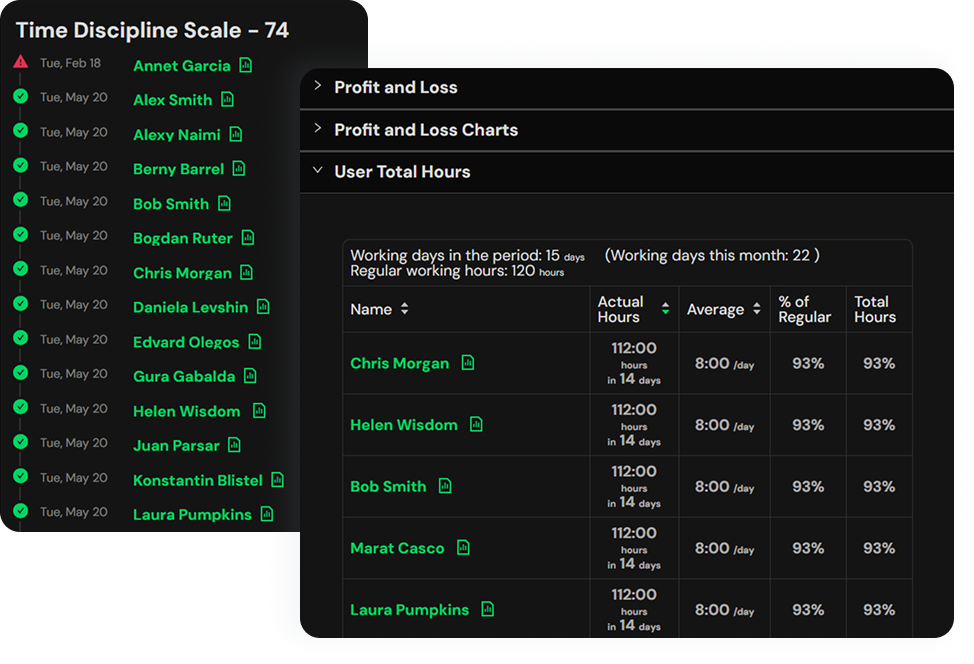
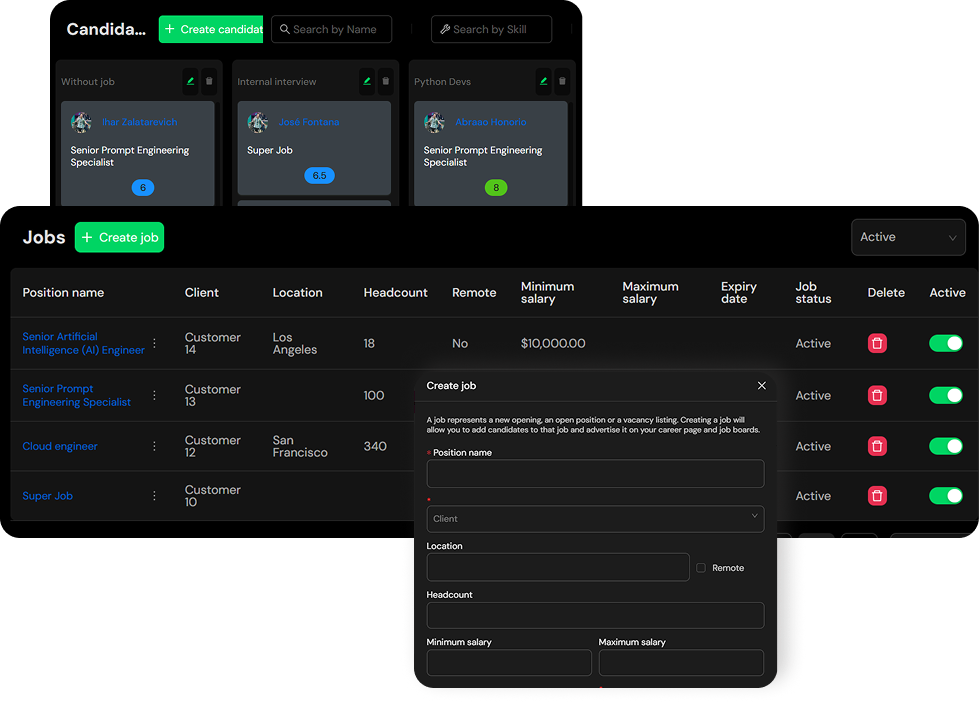
| 📅 After years working as an employer, a contractor, and a vendor, we’ve seen how Time and Materials and Time and Expenses really behave in day-to-day work, so we built a small-business HR system configured around those realities. It lets teams record hours by role, attach materials or reimbursable items, apply per-diem and approval rules, and export clean invoices and P&L views, which makes side-by-side T&M and T&E calculations straightforward. It’s free, learn more –> |
Consider a few everyday examples that show the Time and Materials vs Time and Expenses difference in real life:
- New product spike or prototype. You need two senior engineers for three weeks to test a risky idea. Under T&M, the vendor bills time, and any paid prototyping tools they buy appear on a “materials” line with prior approval. Under T&E, the vendor still bills time, and any small purchases are listed as reimbursable expenses, or the client buys the tools directly. Either way, a cap on hours, a simple success criterion, and a short closeout memo keep the spike accountable.
- EHR integration with vendor test harnesses. Health systems often require paid sandbox access and message simulators. In T&M, those harnesses are treated as materials with documented license terms and a cost-plus pass-through. In T&E, they show up as expenses or, more commonly, the client procures the licenses, so ownership is clear. The work itself is billed as time, with verification steps tied to HL7 or FHIR test cases.
- Cloud migration with travel for discovery. You want in-person whiteboarding at the start, then remote execution. Both models bill hours for the migration tasks; the difference is how travel and lodging are represented. T&E foregrounds reimbursables with a per-diem and hotel cap; T&M may fold the same items into a materials and expenses section. In both cases, require pre-trip approvals, daily rate visibility, and scanned receipts to avoid surprises.
- AI agent pilot using third-party evaluation suites. Teams may need paid eval tools for prompt tests, red-team runs, and regression scoring. Under T&M, the vendor purchases the suite and lists it as materials with proof of cost and the agreed handling fee, if any. Under T&E, the same spend is treated as an expense with pre-approval, or the client holds the license while the vendor operates it. Either way, tie reimbursement to the pilot plan and keep outputs attached to the ticket trail for audit.
“People fixate on T&M versus T&E, yet the label is the sticker and the operating rules are the engine. If you want predictability, write down the rate card by role, the not-to-exceed caps by phase, the expense policy with per-diem and pre-approval thresholds, and who owns licenses and tools. Set a weekly cadence for timesheets, demos, and burn reviews; keep definitions of done and change control in plain English; require receipts and a simple audit trail. With those basics in place, either model behaves the way you need it to. Skip them, and either model drifts, then budgets wobble and trust erodes.”
Slava K., CEO, TATEEDA

Need Help Choosing the Right Model for Your Software Project?
Get a free consultation, a technology estimate, and any additional IT consulting you need.
Why TATEEDA Is Qualified to Compare Time and Materials vs. Time and Expenses
TATEEDA has run both models for more than a decade with American healthcare and IT companies. Headquartered in San Diego with senior engineers across Eastern Europe and LATAM, the company has delivered HIPAA-aware platforms, HL7 and FHIR integrations, payer connections, mobile and web apps, and IoT programs. That mix means the T&M vs. T&E debate is not academic. It is what our teams and your finance partners live with during real SOWs, audits, and go-lives.
Consider a few proof points that make our guidance practical rather than theoretical:
- Work with AYA Healthcare on high-volume staffing and credentialing required clear rate cards, phase caps, and a simple expense policy for on-site sessions, plus vendor sandboxes treated as materials or procured by the client.
- Multi-phase engagements often start in T&M for discovery and pilots, then shift to T&E for steady releases once tools and licenses sit in the client’s accounts.
- Beyond healthcare, projects in biotech, pharmacy, and enterprise IT have shown how to apply the same controls to AI assistants, prior-auth tooling, revenue cycle ties, and clinical data pipelines.
The takeaway is simple. We have operated both models under real constraints and can show you how to set caps, approvals, and evidence so budgets hold and delivery stays smooth. If you want a side-by-side plan for your scenario, we can bring sample SOW clauses, a phase map, and a clean operating cadence that fits your risk and timeline.
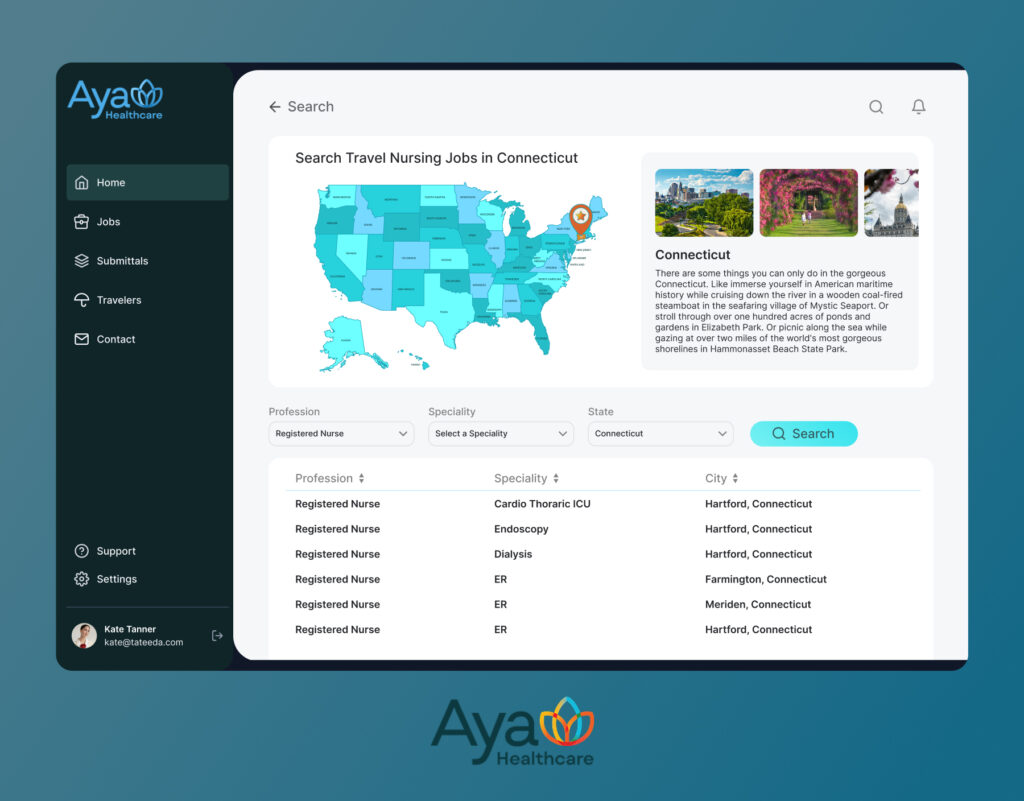
Table of Contents
Why the Comparison Matters, Then the Quick View
Choosing between T&M vs T&E billing models shapes how you forecast, approve spend, and manage change. Use this table to see where they truly diverge in Time and Materials vs Time and Expenses in software development.
| Aspect | Time and Materials (T&M) | Time and Expenses (T&E) |
|---|---|---|
| What you pay for | Labor time, plus materials the vendor purchases, plus reimbursable expenses | Labor time, plus reimbursable expenses |
| Fit for software | Flexible scope; prototypes; evolving backlogs | Same fit when no physical materials are required |
| Expense handling | Materials and expenses; both need pre-approval rules | Expenses only; pre-approval rules apply |
| Budget control | Rate card; weekly timesheets; caps or not-to-exceed; change orders | Same controls; emphasis on expense policy rather than materials |
| Vendor purchases | Can include tools or licenses bought on your behalf | Typically excludes tool purchases; client often buys tools directly |
| Contract focus | Scope elasticity plus material procurement language | Scope elasticity plus expense policy language |

Where to Use T&M vs. T&E
Both models can work well in software projects; the practical choice depends on the variability of the scope, whether the vendor needs to purchase tools or sandboxes, and how travel or other expenses will be handled. Use the notes below as a quick guide to pick the model that fits each situation.
- AI agent development services: T&M suits early pilots and orchestration work where prompts, evaluators, and safety guards change frequently; paid eval suites and temporary licenses can be treated as materials with pre-approval. T&E fits when the client owns LLM access and monitoring tools; the vendor bills time for build and tuning, while travel or workshops appear as reimbursable expenses.
- EHR/EMR Integration services: T&M works when paid test harnesses or vendor sandboxes are needed; those can be listed as materials while engineers iterate on HL7 or FHIR adapters. T&E fits when the health system provides environments and credentials; the vendor bills time only and passes travel and lodging as expenses with caps.
- Nearshore software development services: T&M is helpful for flexible backlogs and mixed skill needs across sprints; occasional third-party tools fall under materials with receipts. T&E makes sense for stable delivery where the client holds all licenses; hours post to the rate card, and any cross-border travel is handled through a simple expense policy.
- IoT development services: T&M suits device bring-up, gateway experiments, and edge AI trials where toolchains, dev boards, and profilers may be purchased as materials. T&E fits steady releases once the client owns cloud accounts and device licenses; the vendor bills labor and itemizes only eligible travel or shipping.
- Web development services: T&M works well for discovery, design spikes, and evolving feature sets; design kits, testing add-ons, or short-term services can be treated as materials. T&E fits mature roadmaps where the client already owns hosting and test tools; time is billed at agreed rates, and incidental expenses are reimbursed per policy.
- Hiring dedicated remote developers: T&M fits variable capacity and evolving skill mixes, since you can scale hours up or down as sprint priorities shift; any short-term tools or seats the vendor buys can be treated as materials with pre-approval. T&E works well for steady staffing where the client owns the toolchain and accounts, the vendor bills time at agreed rates, and any travel for kickoff or quarterly planning is reimbursed under a simple expense policy.
- Outsourcing telemedicine software development: T&M suits discovery and integration phases that touch video SDKs, e-prescribing, and HL7 or FHIR, where paid sandboxes and compliance test suites can appear as materials and the team iterates quickly. T&E fits rollout and operations once platforms are client-owned, with the vendor billing labor for feature work and support, while site validations, clinician workshops, or certification fees are handled as reimbursable expenses with caps.
When to Use T&M vs. T&E (Scenario Matrix)
Readers care about one thing: which model fits my situation. This quick view compares Time and Materials vs Time and Expenses in common software scenarios so you can decide fast and defend the choice. In short, T&M vs T&E billing models behave similarly, yet the label you pick affects how tools, licenses, and travel are approved.
Use the matrix below to see Time and Materials vs Time and Expenses in software development at a glance.
| Situation | Better-Fit Model | One-Line Reason |
|---|---|---|
| New product spike or prototype | T&M | Exploratory work needs flexible hours; any small tools can be passed as materials with simple pre-approvals. |
| EHR integration with paid sandboxes | T&M | Vendor test harnesses and sandboxes fit as materials; time stays variable while ownership is documented. |
| Cloud migration with discovery travel | T&E | Hours bill as usual; travel and lodging are clearer as reimbursable expenses with per-diem and caps. |
| AI agent pilot using third-party eval suites | T&M | License purchases are easier to track as materials; keeps evaluation spend tied to the pilot phase. |
| Long-run support and enhancements | T&E | Mostly labor with occasional travel; expenses remain transparent and easy to approve. |
| Data ingestion build with client-owned tools | T&E | Client buys the platform; vendor bills time and passes only eligible expenses, which simplifies procurement. |
| Generative AI scribe in a clinic pilot | T&M | Rapid iterations and paid red-teaming tools count as materials; flexible hours while workflows settle. |
| RAG knowledge base and prompt library | T&M | Content curation and test harnesses shift week to week; occasional tool buys sit cleanly as materials. |
| AI chatbot integration into a mobile app | T&E | Client often owns LLM access and telemetry; vendor bills time and travel only, so expenses stay simple. |
| Multi-agent orchestration rollout (planner, tools, verifier) | T&M | Spiky effort across adapters and safety gates; temporary licenses and sandboxes align with materials. |
| Model monitoring and drift dashboards | T&E | Mostly engineering time with light travel; recurring fees are usually paid by the client’s cloud account. |
| Data labeling and human-in-the-loop reviews | T&M | Variable volume and periodic labeling platforms are easier to capture as materials plus time. |
| On-device model optimization for edge hardware | T&M | Toolchains, test rigs, and paid profilers fall under materials; engineering time stays flexible. |
| A/B testing of AI assistant flows across regions | T&E | Predominantly labor for experiments and analytics; travel or workshops appear as straightforward expenses. |
How to Choose and Use Time and Materials vs. Time and Expenses
1) Frame the Decision: What problem are you solving?
Clarify the work type, risk, and unknowns. Exploratory builds, proofs of concept, and variable-scope integrations usually benefit from flexibility. Compliance-heavy delivery with predictable tasks benefits from tighter expense control. Write down two sentences that state scope volatility and the likely need for third-party tools or travel. This sets the context for Time and Materials vs Time and Expenses.
2) Map Your Scenario to a Model
Hold your plan against common cases. Prototypes with changing requirements often suit T&M. Engagements with client-owned tools and clear travel rules often suit T&E. For mixed programs, pick the model per phase: Discovery in T&M for flexibility; Pilot in T&M if tools are purchased; Rollout in T&E when the vendor bills time and you own licenses. This is T&M vs T&E billing models applied in plain terms.
3) Pick the Operating Mechanics Up Front
Whichever label you choose, document how it runs. Publish a rate card by role, billing increments, and currency. Add overtime and holiday rules if they exist. Define invoice cadence and the exact artifacts you expect with each bill. When Time and Materials vs Time and Expenses in software development is explicit like this, reviews are fast and disputes are rare.
4) Set Caps and Early Warning Triggers
Use not-to-exceed caps per phase so you can steer before budgets drift. Add an 80 percent alert: when burn crosses the threshold, the vendor must provide a forecast and an adjustment plan or a change order. Phase caps work for both T&M and T&E, which keeps risk bounded without freezing scope.
5) Decide Tool and License Ownership
Write a short rule for non-labor spend. If the vendor buys sandboxes, simulators, or evaluation suites, treat them as materials with cost transparency. If the client buys, the vendor bills time only and operates inside client accounts. Make this a one-line policy in the SOW, then list any exceptions.
6) Publish a Simple Expense Policy
For T&E, specify reimbursable categories, per-diem amounts, hotel ceilings, flight class, receipt format, and pre-approval thresholds. For T&M, you still need the same clarity, even if some items appear as materials. Keep the policy on one page so approvers actually read it.
7) Lock the Approval Path
Name approvers, decision timelines, and thresholds. For example, the Project Manager may approve travel under a fixed amount; the Product Owner approves higher spend or tool purchases. Set a target response time, such as two business days, so work does not stall.
8) Define Evidence: Timekeeping and Deliverables
Require weekly timesheets by person and task, linked to tangible outputs: merged pull requests, closed tickets, test reports, design files, and demo notes. Ask for a brief weekly summary that states outcomes, burn vs cap, risks, and the next steps. Finance gains auditability, and product keeps momentum.
9) Plan Change Control That Is Lightweight
Trigger a change order when scope grows, a cap must increase, or tool ownership changes. Keep the form short: reason, impact on budget and timeline, risks, and the updated cap. Two signatures are enough: your product lead and the vendor lead.
10) Choose KPIs and a Reporting Cadence
Track a small set: throughput, acceptance rate, defect trends, weekly burn, variance vs plan, and forecast to complete. Include these with each invoice. This closes the loop between delivery and dollars, regardless of whether you picked T&M or T&E.
11) Consider Hybrid Patterns When Useful
You do not have to choose once and forever. Many teams run T&M for discovery and pilots, then switch to T&E for steady delivery when tools are client-owned. Others retain a small monthly T&M block for spikes, while the base work runs on T&E. Document the handoff conditions so everyone knows when the model changes.
12) Sanity-Check With Two Quick Examples
- AI agent pilot that needs paid evaluation suites and red-team tools: T&M with materials for licenses, plus a phase cap and pre-approvals.
- Cloud migration with on-site discovery: T&E with clear travel rules, per-diem caps, and weekly burn reviews; tools run in the client’s cloud.
Follow these steps, and the label becomes secondary. The mechanics you set will carry the predictability you need, whether you land on Time and Materials or Time and Expenses.
Ultimate Comparison: Where T&M vs. T&E Fit
| Factor / Situation | Time and Materials (T&M) | Time and Expenses (T&E) |
|---|---|---|
| Prototyping / new product spikes | Flexible hours while requirements evolve; vendor can buy trial tools and list them as materials with pre-approval. | Same flexible hours, but tools are usually client-purchased; vendor bills time and only reimbursable expenses. |
| Healthcare EHR/EMR integrations (HL7/FHIR) | Paid sandboxes, simulators, and test harnesses tracked as materials; time varies by adapter complexity. | Health system provides environments; vendor bills time; travel and meetings appear as reimbursable expenses. |
| Prior authorization / payer connections | Temporary clearinghouse tools or test suites can be passed through as materials; phase caps keep burn in check. | Client owns payer connections and credentials; vendor bills time; expenses limited to approved categories. |
| AI agent / AI chatbot pilot | Evaluation suites, red-team tools, and model monitors treated as materials; rapid iteration under a phase cap. | Client holds LLM and eval licenses; vendor bills time and itemized travel/workshops as expenses. |
| AI assistant rollout at scale | Materials line includes extra monitoring or guardrail services during cutover; hours for tuning and SRE. | Client licenses all platforms; vendor invoices labor plus standard reimbursables per policy. |
| Cloud migration with discovery travel | Time for migration and workshops; any one-off utilities can be materials. | Hours plus clear per-diem, hotel ceilings, and flight rules; expenses foregrounded for transparency. |
| IoT device bring-up & edge trials | Dev boards, probes, profilers, and firmware toolchains listed as materials; spiky engineering time. | Client supplies hardware and cloud; vendor bills time only and reimbursable shipping/travel. |
| Biotech / lab automation (instruments) | Driver SDKs or calibration kits show up as materials with receipts; time covers integrations and tests. | Client procures SDKs and kits; vendor bills time; expenses limited to on-site visits. |
| Pharma (GxP) validation environments | Validation tools and extra test instances can be materials with strict approvals and audit notes. | Client owns validated stacks; vendor bills time; expenses tracked under regulated policy. |
| Fintech / regtech data pipelines | If vendor must purchase specific compliance tools, treat as materials; time stays elastic. | Client-owned platforms (data lake, DLP, scanning); vendor invoices labor and standard expenses only. |
| Public-sector engagement | Materials allow controlled tool pass-through under procurement rules; tight caps per phase. | Emphasis on expense compliance (per-diem tables, receipt format); client buys tools directly. |
| Web/app feature expansion (changing backlog) | Suits shifting scope; occasional design/test add-ons as materials; weekly burn reviews. | Client holds hosting and test tools; vendor bills time; minimal, predictable expenses. |
| Long-run support / AMS | Materials rarely used; hours flex by ticket volume; small phase caps per month. | Cleanest fit: labor only plus light reimbursables; expense policy keeps reviews simple. |
| Data labeling & human-in-the-loop | Labeling platforms and datasets can be materials for limited pilots; time varies by volume. | Client licenses platforms; vendor bills time; travel/meetings reimbursed per policy. |
| Security testing / red teaming | Specialized scanners or breach-sim tools logged as materials with proof of cost. | Client provides tools; vendor bills hours; expenses limited to approved categories. |
| Nearshore team across borders | Materials capture any required local tool spend; time covers sprints with overlap windows. | Labor at agreed rates; cross-border travel reimbursed under a clear expense policy and caps. |
Final Word: Time and Materials vs. Time and Expenses as Used by TATEEDA
Whether you choose Time and Materials or Time and Expenses, the value comes from clear rules and steady execution. TATEEDA can operate under either model or a simple hybrid by phase; we use clean rate cards, not-to-exceed caps, an auditable expense policy, and weekly burn reviews that keep surprises out of your inbox.
Headquartered in San Diego, with senior engineers across Eastern Europe and LATAM, TATEEDA delivers custom software for healthcare, biotech, pharmacy, and HR. Engagements include EHR and payer integrations, AI assistants, mobile and web apps, and IoT programs. Work begins with discovery and architecture, moves through build and testing, and continues into production support using the same operating cadence approved at kickoff.
If you want to walk through your scenario, contact us. We will compare T&M and T&E for your goals, share sample SOW language, and outline a practical plan with timelines and budget ranges. Let’s map what you need and choose the model that gets you there without drama.



![8 Medical Billing Automation Developers in California [2026]](https://tateeda.com/wp-content/uploads/2026/10/Cover.png)

